

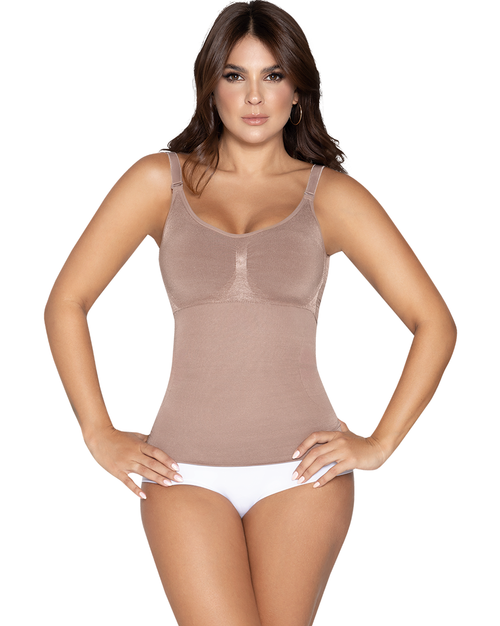
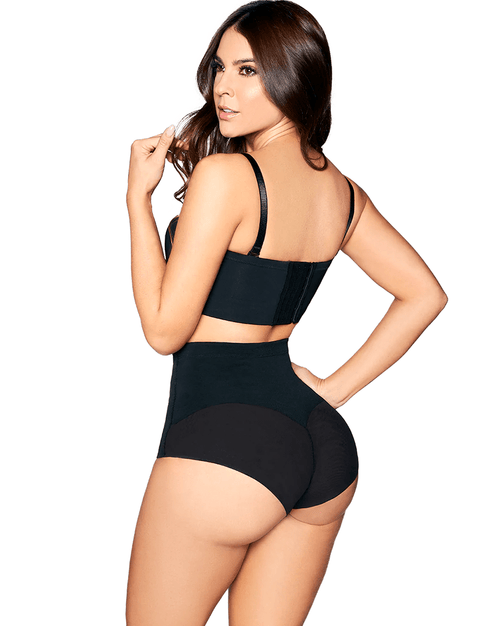





Maternity belly bands can help with back pain for many pregnant women by lifting part of the weight of the growing belly and supporting the lower back and pelvis. Research on maternity support garments is still limited, but many women report less discomfort when walking, standing, and working. A band or maternity support belt works best as part of a broader plan that includes gentle exercise, good posture, and advice from your healthcare provider.
Why Back Pain Is Common During Pregnancy
Lower back and pelvic pain affect a large share of pregnant women, especially in the second and third trimesters. Several changes happen at once:
-
Shifting center of gravity: As the belly grows, your weight moves forward and puts extra strain on the lower back.
-
Looser ligaments: Pregnancy hormones relax the ligaments around the pelvis to prepare for birth, which can reduce joint stability.
-
Stretched abdominal muscles: Weaker core support means the back muscles work harder.
-
Posture changes: Many women naturally lean back or arch the lower spine to balance the belly.
How a Belly Band Can Help
1. Lifts and Supports the Belly
A support band cradles the bump from below and takes some pressure off the lower back and abdominal muscles.
2. Stabilizes the Pelvis and Lower Back
Gentle compression around the hips can make the pelvic joints feel more stable, which may ease pain when walking or changing positions.
3. Encourages Better Posture
The structure of a band reminds you to stand taller instead of leaning back, which can reduce strain over the course of the day.
4. Makes Daily Activities More Comfortable
Many women find that a band makes long periods of standing, walking, or working easier to manage.
Belly Band vs. Support Belt vs. Maternity Shapewear
The term "belly band" is used for several different products, so it helps to know what each one does.
|
Type |
Support Level |
How It Works |
Best For |
|
Stretch belly band |
Light |
A seamless tube worn around the belly |
Covering unbuttoned pants with mild support |
|
Maternity support belt |
Medium to firm |
An adjustable band under the bump, sometimes with an over-belly strap |
Lower back and pelvic discomfort |
|
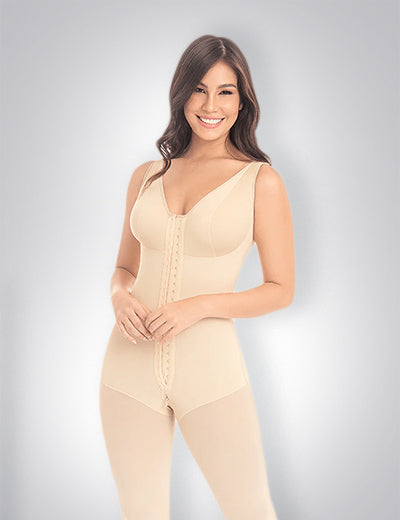
Maternity shapewear |
Light to medium |
Support panels built into shorts, camis, or bodysuits |
Smooth, everyday support under clothes |
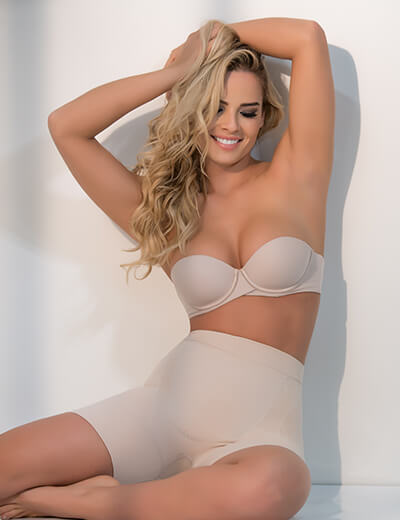
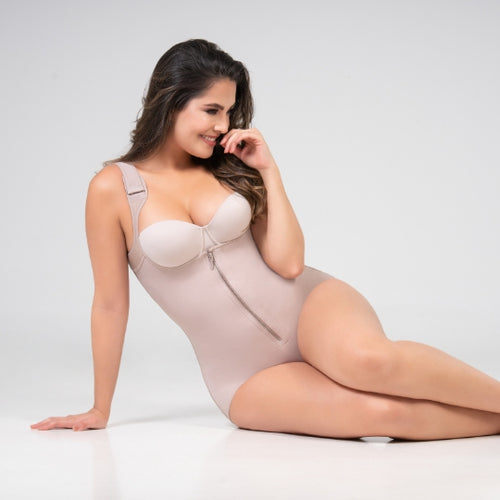
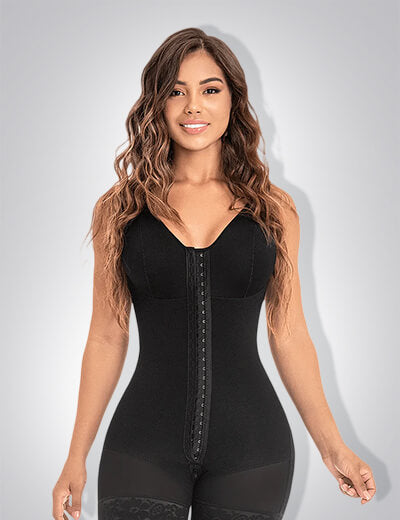
If you prefer support that blends into your outfit, maternity shapewear offers built-in panels without a separate belt.
How to Wear a Belly Band Safely
-
Limit wear time: Many providers suggest wearing a support belt for two to three hours at a time so your core muscles stay active.
-
Avoid wearing it too tight: The band should lift and support, not squeeze the belly.
-
Skip it at night: Remove your band when sleeping unless your provider recommends otherwise.
-
Keep moving: Pair the band with prenatal stretches and exercises approved by your provider.
-
Check in with your provider: Ask before using a support belt, especially if you have circulation issues, high blood pressure, or other pregnancy complications.
Support Your Body Through Every Stage
A maternity belly band can be a simple, comfortable way to relieve back strain as your pregnancy progresses. After your baby arrives, the right postpartum shapewear can continue that support during recovery. Explore our maternity and postpartum collections at ShapewearUSA to find gentle support for every trimester and beyond.
Disclaimer: This article is for informational purposes only and is not a substitute for medical advice. Always follow your surgeon's or healthcare provider's instructions.