
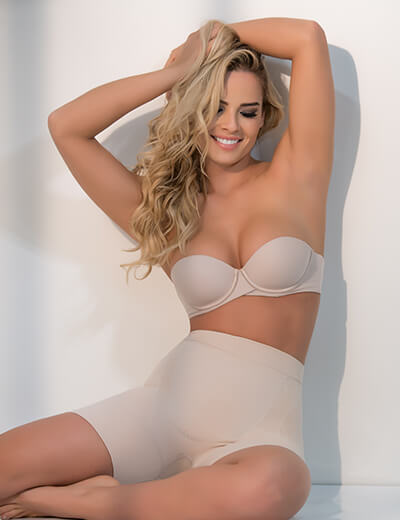
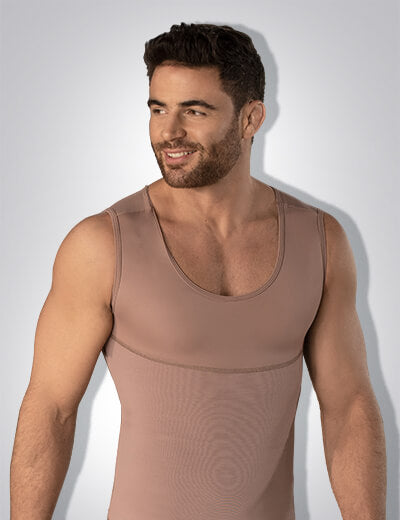
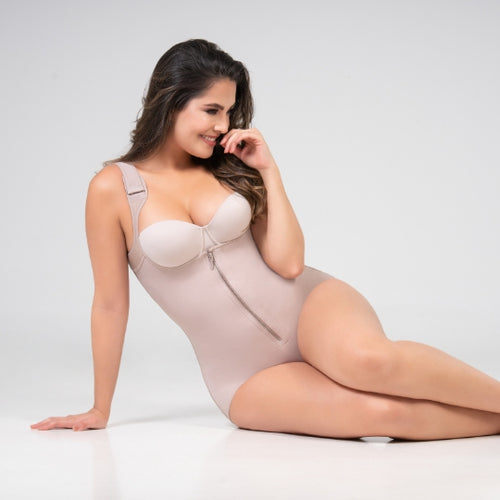
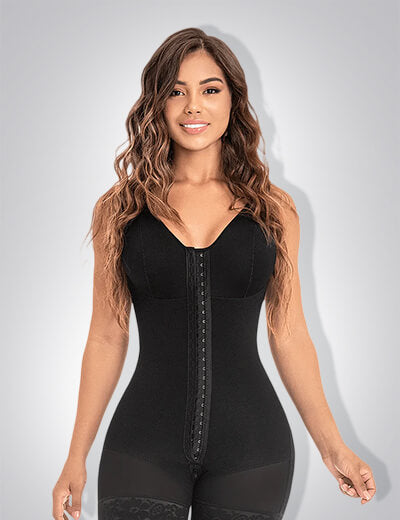
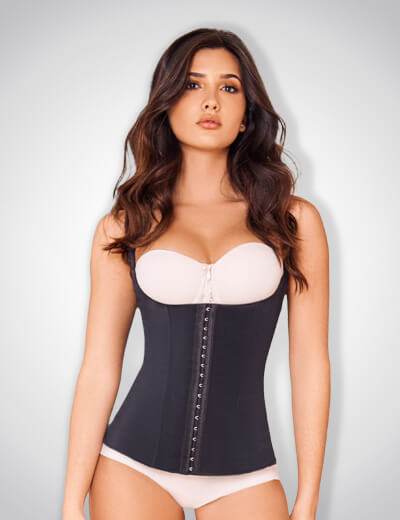
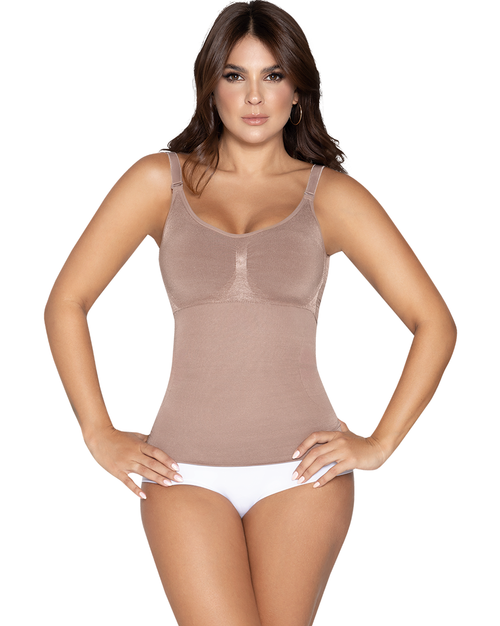
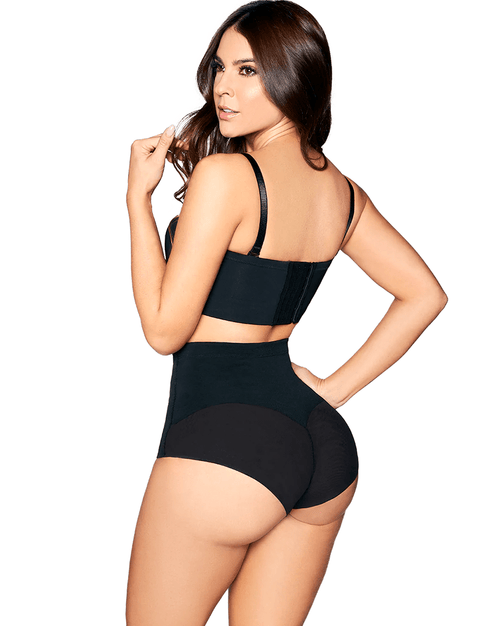


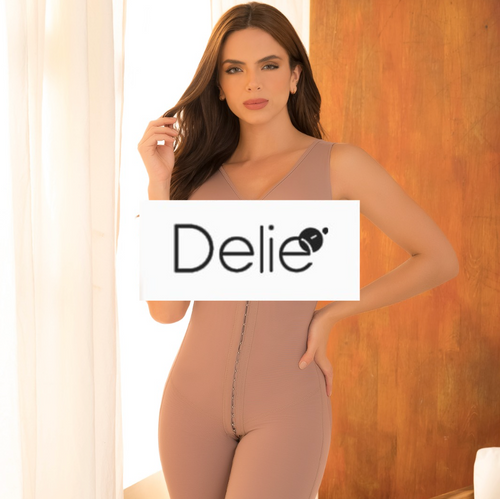


Most surgeons recommend wearing a faja after liposuction for about six to eight weeks, and some patients continue for up to three months depending on the procedure and how their body heals. During the first weeks, the garment is usually worn nearly around the clock. Choosing the right post-surgical shapewear and understanding each stage of recovery helps you stay comfortable and get the most from your results.
Why a Faja Matters After Liposuction
A faja is a compression garment designed to support the treated areas while your body recovers. Consistent compression helps in several ways:
-
Reduces swelling: Even pressure helps limit fluid buildup in the treated areas.
-
Supports the skin: Compression helps the skin adapt to your new contours as tissue settles.
-
Promotes smoother healing: A well-fitted garment helps reduce the risk of irregular swelling and unevenness.
-
Adds comfort and stability: Many patients feel more secure moving, sitting, and standing with the support of a faja.
A Typical Faja Timeline
1. Stage 1: The First Weeks
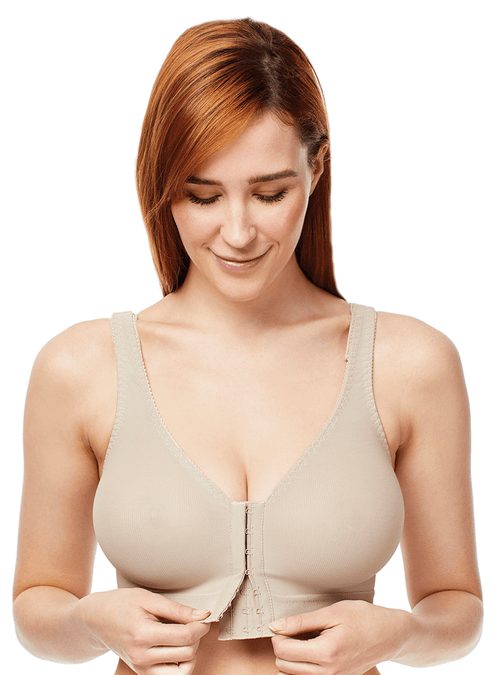
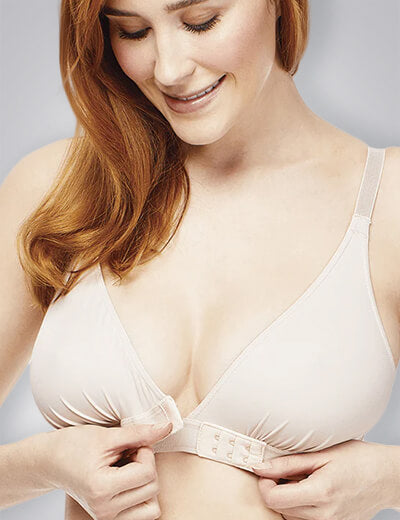
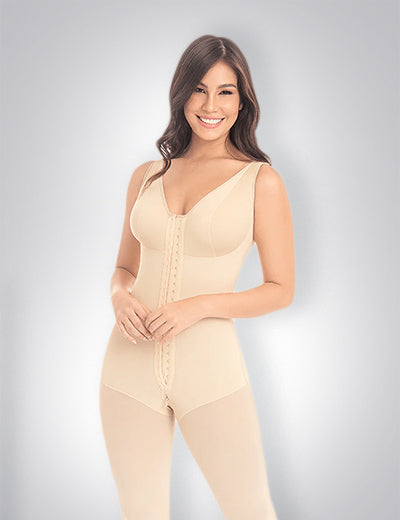
A stage 1 faja is worn immediately after surgery, usually for the first one to three weeks. It is softer and easier to put on, with zippers, hook-and-eye closures, and an open crotch for convenience. Most patients wear it day and night, removing it only to shower.
2. Stage 2: As Swelling Goes Down
Once the initial swelling decreases, your surgeon may move you to a stage 2 faja, often around weeks three to eight. This garment is firmer and fits closer to the body to continue shaping as tissue heals. Wear time is still high, usually most of the day and often at night.
3. After Recovery
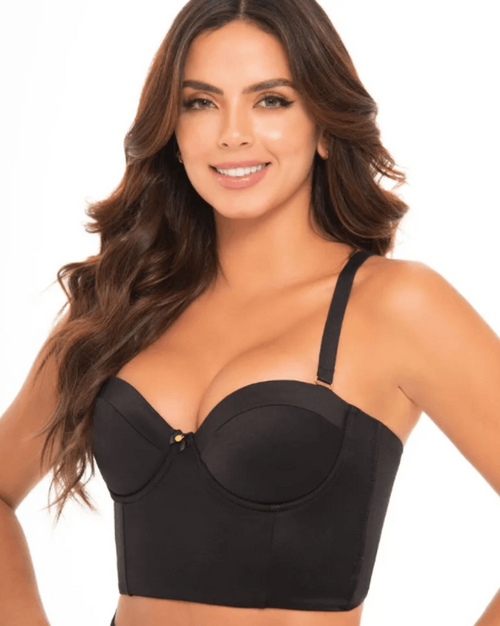
When your surgeon clears you to stop medical compression, many people continue wearing Colombian fajas or everyday shapewear for events, workdays, or extra confidence. At this stage, wearing a faja is a personal choice rather than a medical requirement.
How Many Hours a Day Should You Wear It?
In the early weeks, most surgeons recommend wearing a faja about 23 hours a day. As healing progresses, your surgeon may reduce your wear time to daytime only, then to occasional wear. Always follow the schedule your care team gives you, since recommendations vary by procedure, number of treated areas, and how quickly swelling resolves.
Signs Your Faja Needs Adjusting
A faja should feel firm and supportive, never painful. Check your fit regularly and contact your surgeon if you notice any of the following:
-
Numbness or tingling: This can mean the garment is too tight in certain areas.
-
Skin discoloration or deep marks: Pressure points may need padding or a different size.
-
Shortness of breath: The torso compression may be too strong.
-
Loose or wrinkled fabric: As swelling decreases, you may need a smaller size or a stage 2 garment.
Many patients also use an ab board under the faja, if their surgeon recommends one, to keep compression even across the abdomen.
Plan Ahead for a Smoother Recovery
Wearing your faja consistently is one of the simplest things you can do to support your liposuction results. Prepare your stage 1 and stage 2 garments before surgery so you are ready for each step. Explore the Colombian faja collection at ShapewearUSA to find recovery-ready styles in every size.
Disclaimer: This article is for informational purposes only and is not a substitute for medical advice. Always follow your surgeon's or healthcare provider's instructions.