
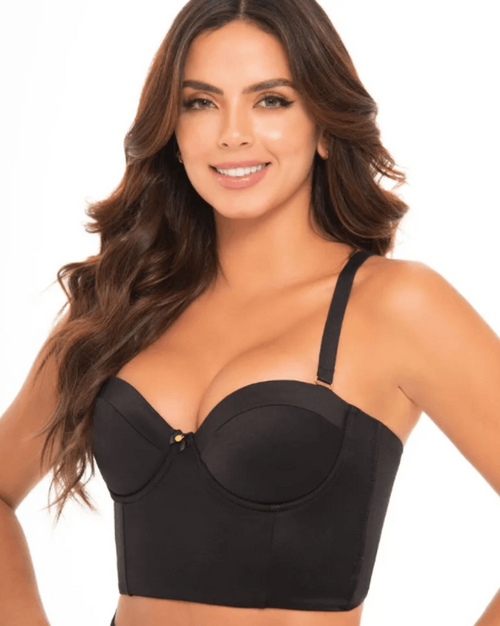
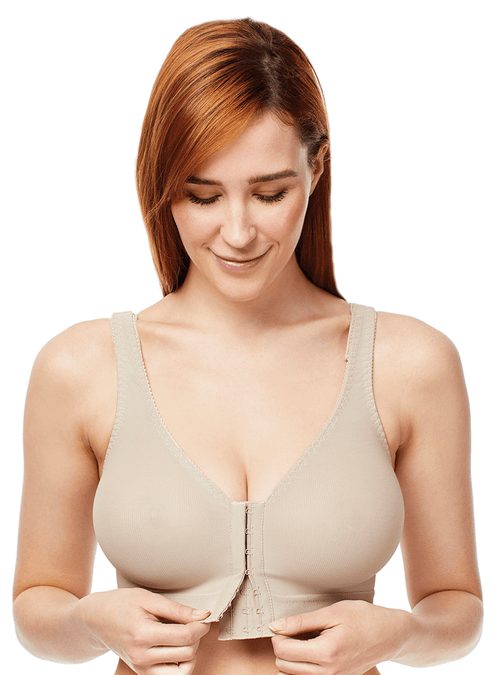
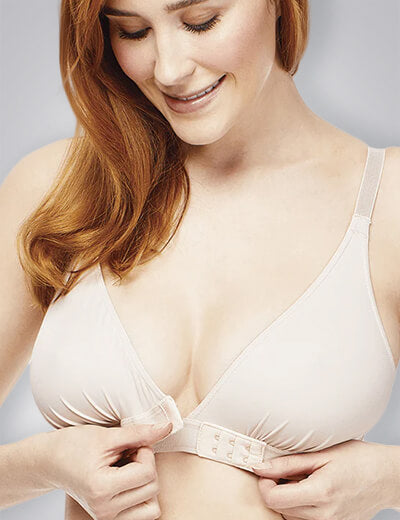
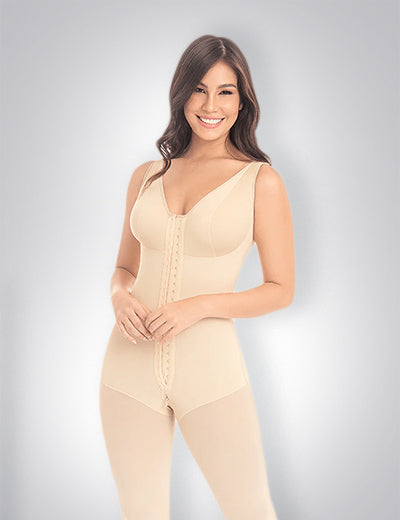
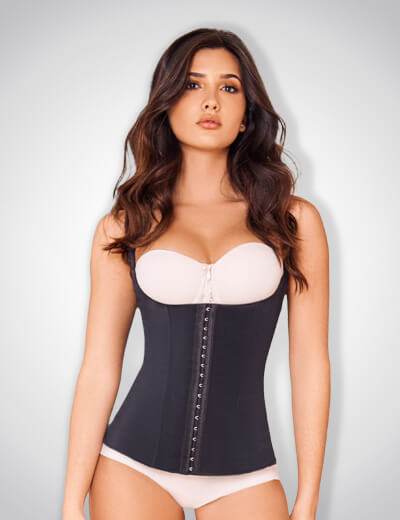
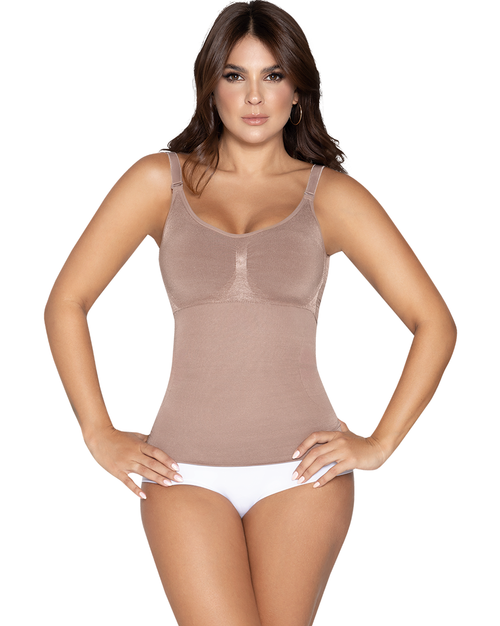
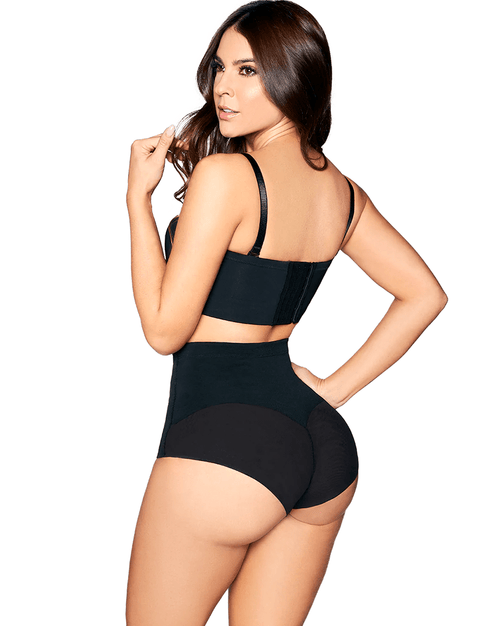
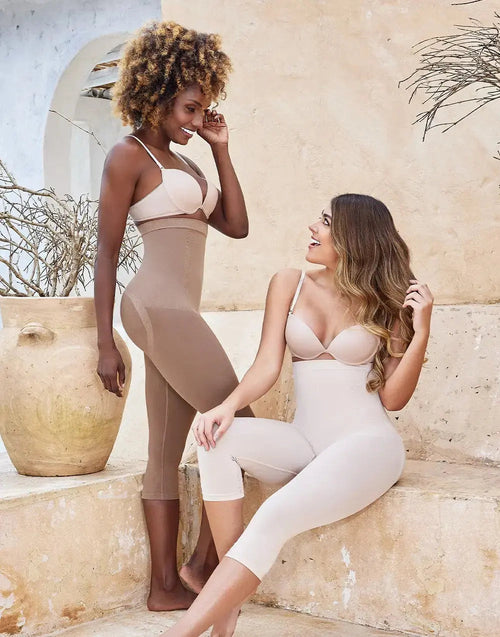

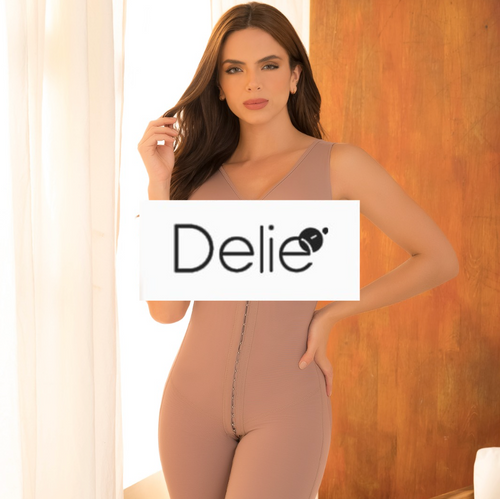


Girdles and corsets both shape the body, and the two names are often used interchangeably. In reality, they are built differently, target different areas, and create very different results. A girdle smooths and supports the lower torso with stretch fabric, while a corset uses rigid boning and lacing to dramatically cinch the waist. Knowing how each one works helps you choose the right piece of women's shapewear for your outfit and comfort level.
What Is a Girdle?
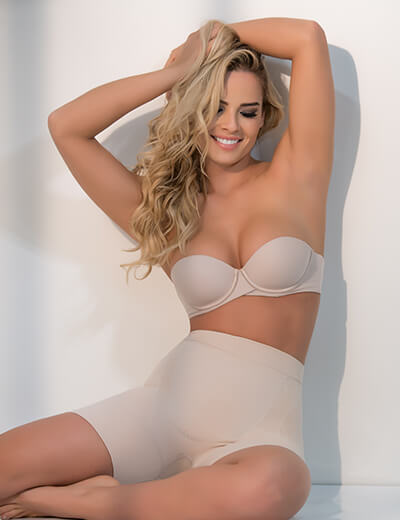
A girdle is a stretchy foundation garment that typically covers the area from the waist to the hips or thighs. It relies on elastic fabrics such as nylon, spandex, and power mesh to compress and smooth the tummy, hips, and rear. Most girdles pull on like a brief or bike short, and some include hook-and-eye or zipper closures for easier wear. Because girdles move with your body, they are well suited to everyday use under skirts, dresses, and trousers.
What Is a Corset?
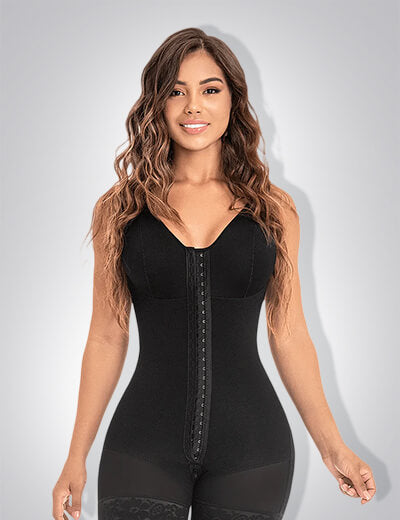
A corset is a structured garment that wraps the torso from under or over the bust down to the hips. It uses vertical boning, traditionally whalebone and now steel or plastic, along with laces or front busks to pull the waist inward. The result is a pronounced hourglass shape. Corsets are often worn for special occasions, costume and bridal looks, or as a fashion top rather than hidden underwear.
Girdle vs. Corset at a Glance
|
Feature |
Girdle |
Corset |
|---|---|---|
|
Main target area |
Lower abdomen, hips, rear, thighs |
Waist and upper torso |
|
Construction |
Stretch fabric, power mesh panels |
Rigid boning, laces, busk closure |
|
Shaping effect |
Smooth, streamlined silhouette |
Dramatic waist cinching |
|
Flexibility |
Moves with your body |
Limited bending and movement |
|
Comfort for long wear |
High |
Low to moderate |
|
Visibility under clothes |
Nearly invisible |
Often visible; may be worn as outerwear |
|
Best for |
Daily wear, work, events |
Special occasions, statement looks |
Key Differences Explained
1. Structure and Materials
Girdles depend on the elasticity of the fabric itself, so the compression is flexible. Corsets rely on a rigid frame, which holds the body in a fixed shape regardless of movement.
2. Area of Focus
A girdle concentrates on the lower half of the torso and often extends to the thighs. A corset focuses on the waist, pulling it in while supporting the bust and back.
3. Everyday Practicality
Most people can sit, walk, and work comfortably in a girdle for hours. Corsets restrict bending and deep breathing, which makes them better suited to shorter periods.
4. Type of Result
A girdle creates a smooth line without drawing attention to itself. A corset creates a visible, dramatic hourglass that is often the focal point of the outfit.
Which One Should You Choose?
The right choice depends on the look you want and how long you plan to wear it.
-
Choose a girdle if you want invisible smoothing for everyday outfits, long workdays, or fitted dresses.
-
Choose a [corset](https://www.shapewearusa.com/collections/corsets) if you want a dramatic waist for a formal event, photoshoot, or fashion look.
-
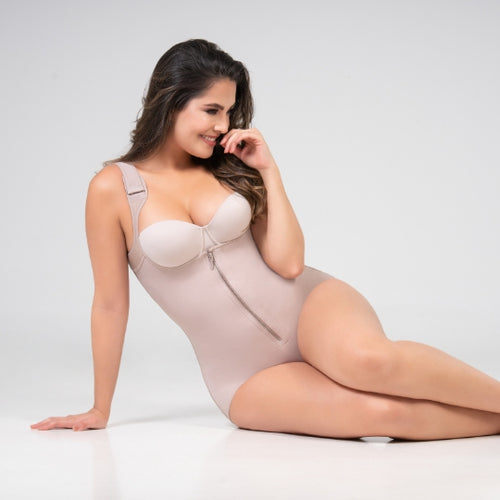
Consider a middle ground like tummy control shapewear or body shapers if you want noticeable waist definition with more flexibility than a corset.
Whichever you pick, wear your true size and avoid lacing or sizing down to extremes. Shaping should feel firm and secure, never painful.
Find the Shape That Fits Your Life
Girdles and corsets both have a place in a well-rounded wardrobe, but they serve very different purposes. For comfort and everyday confidence, a girdle is usually the more practical option, while a corset shines when you want a bold silhouette. Explore all-over control shapewear at ShapewearUSA to find the right level of shaping for any occasion.