
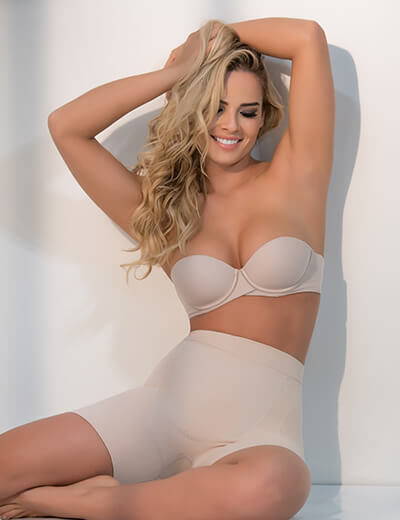
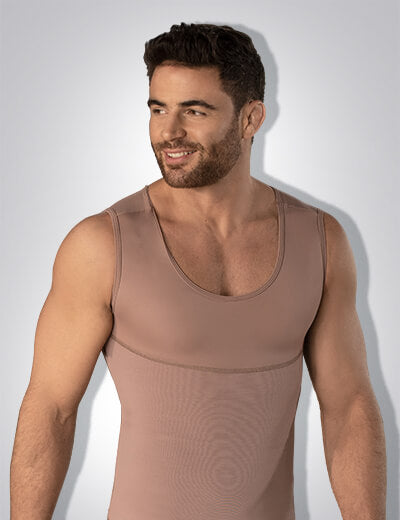
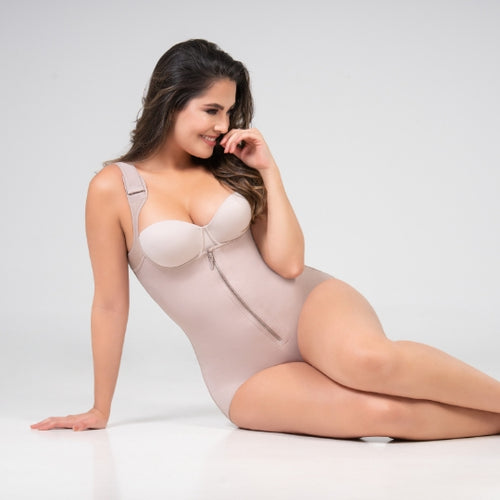
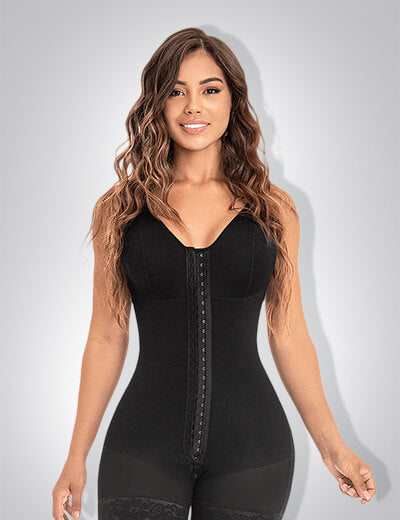
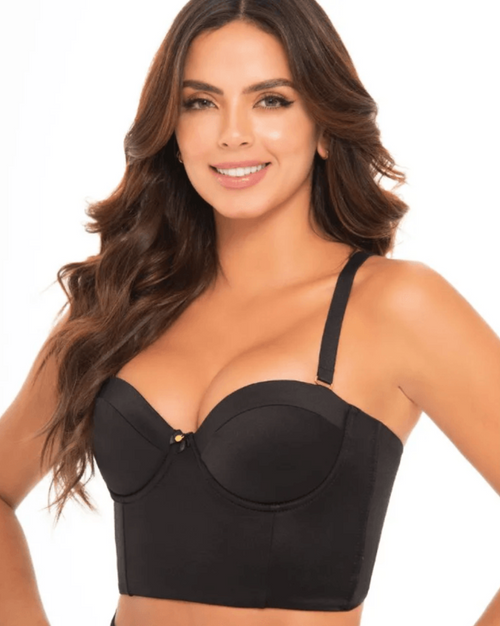
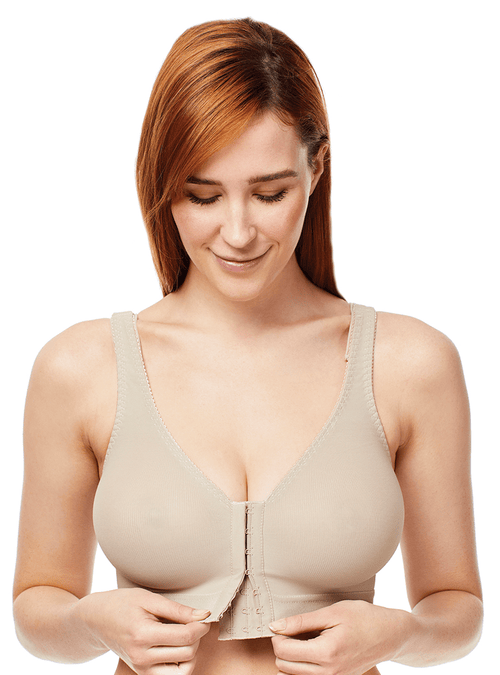
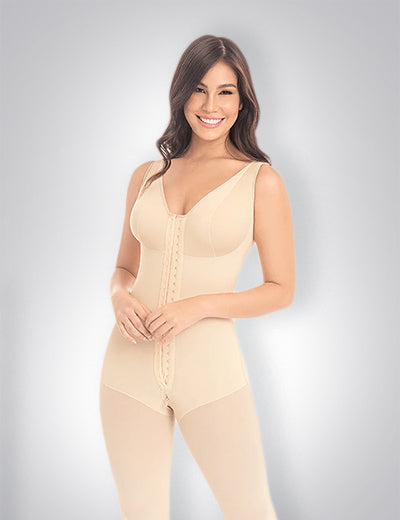

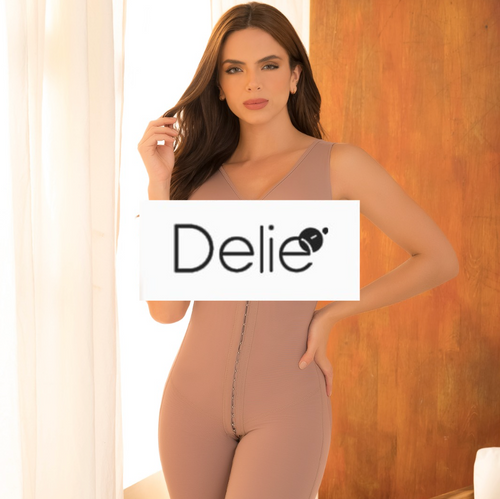


When shopping for women’s shapewear, two terms frequently appear: waist cincher and waist trainer. While these garments may look similar at first glance, they are designed for different purposes and offer distinct levels of compression, support, and shaping.
Understanding the differences between a waist cincher and a waist trainer can help you choose the right option for your comfort, lifestyle, and shaping goals.
What Is a Waist Cincher?
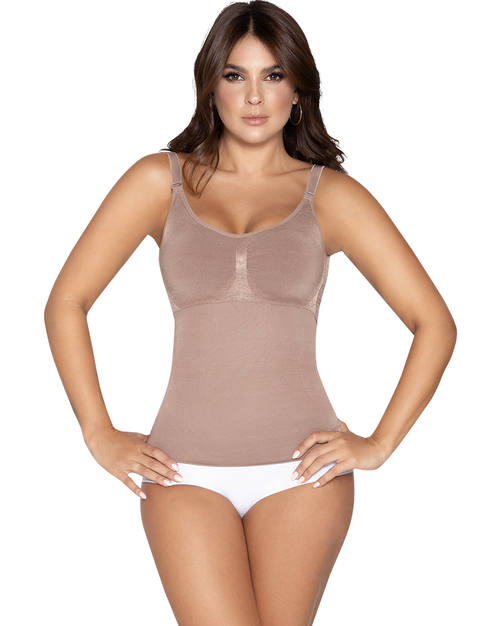
A waist cincher is a shapewear garment designed to instantly smooth and shape the midsection. Typically made from flexible compression fabrics, waist cinchers create a slimmer-looking waistline while remaining comfortable enough for everyday wear.
Unlike more structured shaping garments, waist cinchers focus on providing moderate compression and creating a smooth silhouette under clothing.
Key Features of a Waist Cincher
-
Lightweight and flexible design
-
Moderate compression
-
Comfortable for extended daily wear
-
Creates a smoother waistline instantly
-
Easy to wear under dresses, tops, and professional attire
-
Often made from stretch fabrics with hook-and-eye or zipper closures
Many women choose a waist cincher as part of their daily women’s shapewear collection because it combines comfort and shaping without feeling overly restrictive.
What Is a Waist Trainer?
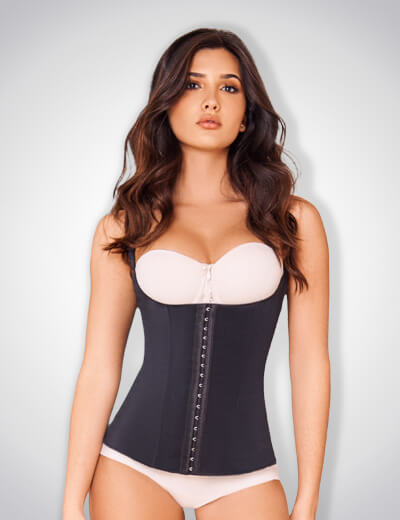
A waist trainer is a more structured compression garment designed to provide firm support and a more dramatic shaping effect around the waist and abdomen.
Waist trainers are typically constructed with stronger materials and often include features such as:
-
Steel boning
-
Latex compression layers
-
Adjustable hook-and-eye closures
-
Reinforced support panels
Because of their higher level of compression, waist trainers create a more defined hourglass appearance while being worn.
Key Features of a Waist Trainer
-
Firm compression
-
Structured design
-
Enhanced waist definition
-
Strong abdominal support
-
Adjustable sizing options
-
Often used for special occasions, workouts, or targeted shaping
Many people use waist trainers when they want more noticeable shaping than traditional women’s shapewear provides.
Waist Cincher vs. Waist Trainer: The Main Differences
1. Compression Level
One of the biggest differences between a waist cincher and a waist trainer is the amount of compression.
Waist Cincher
-
Light to moderate compression
-
Designed for comfort and everyday wear
-
Focuses on smoothing and shaping
Waist Trainer
-
Moderate to firm compression
-
Creates a more dramatic waistline appearance
-
Provides stronger support around the midsection
If comfort is your priority, a waist cincher may be the better choice. If you're seeking maximum shaping, a waist trainer may be more suitable.
2. Structure and Design
Waist Cincher
A waist cincher is generally softer and more flexible. It moves with your body and is often less noticeable under clothing.
Waist Trainer
A waist trainer is more rigid and structured. Features like steel boning and reinforced panels help maintain its shape and provide stronger compression.
This structure allows the waist trainer to create a more defined silhouette while worn.
3. Everyday Comfort
Waist Cincher
Because it uses lighter compression and more flexible materials, a waist cincher is often preferred for daily activities such as:
-
Working
-
Running errands
-
Traveling
-
Social events
-
Professional settings
Waist Trainer
A waist trainer can also be worn daily by some individuals, but its firmer construction may feel less comfortable during long periods of wear, especially for beginners.
4. Appearance Under Clothing
Waist Cincher
Waist cinchers are typically designed to remain discreet under clothing. Their lightweight construction makes them easy to wear under:
-
Dresses
-
Blouses
-
T-shirts
-
Business attire
-
Formalwear
Waist Trainer
While many modern waist trainers are designed to be worn under clothing, their thicker construction may be more noticeable under fitted garments.
5. Support Benefits
Waist Cincher
A waist cincher provides gentle support for the abdomen and lower back while helping create a smoother silhouette.
Waist Trainer
A waist trainer offers stronger support due to its structured design. Many users appreciate the added back support and posture assistance provided by reinforced boning.
Which One Should You Choose?
The best option depends on your goals and lifestyle.
Choose a Waist Cincher If You Want:
-
Everyday comfort
-
Light to moderate compression
-
A smoother appearance under clothing
-
Flexible movement throughout the day
-
A beginner-friendly shapewear option
Choose a Waist Trainer If You Want:
-
Firm compression
-
More dramatic shaping
-
Additional back support
-
Enhanced waist definition
-
A structured shaping garment
Many women own both products and use them for different occasions.
Benefits of Adding Either Option to Your Women's Shapewear Collection
Both waist cinchers and waist trainers can provide several advantages when incorporated into a women's shapewear wardrobe.
Confidence Boost
Many people feel more confident when their clothing fits smoothly and comfortably.
Enhanced Clothing Fit
Both garments can help dresses, tops, and formalwear fit more cleanly and comfortably.
Posture Support
Depending on the design, waist cinchers and waist trainers may provide varying levels of back and posture support.
Temporary Body Shaping
Both options create an instantly slimmer-looking waistline while worn.
How to Choose the Right Size
Regardless of whether you select a waist cincher or waist trainer:
-
Follow the manufacturer's size chart
-
Measure your waist accurately
-
Avoid sizing down
-
Prioritize comfort and proper fit
-
Consider your intended level of compression
A properly fitted garment will deliver the best shaping results while remaining comfortable to wear.
While the terms are often used interchangeably, a waist cincher and a waist trainer serve different purposes. A waist cincher focuses on comfortable everyday shaping with moderate compression, while a waist trainer offers firmer compression and more dramatic waist definition through a structured design.